Transformative Experiences for Youth: Creative and Active Learning
- kineticcanvasfound
- Mar 10
- 4 min read
In today's fast-paced world, youth are often caught in a whirlwind of information and distractions. Traditional education methods may not fully engage them or prepare them for the challenges ahead. Instead, transformative experiences that emphasize creative and active learning can significantly enhance their development. This blog post explores various approaches to foster such experiences, providing practical examples and insights for educators, parents, and community leaders.

The Importance of Creative and Active Learning
Creative and active learning goes beyond rote memorization and passive listening. It encourages students to engage with the material, think critically, and apply their knowledge in real-world situations. Here are some key benefits of this approach:
Enhanced Engagement: Students are more likely to participate actively when they can express their creativity and explore their interests.
Improved Retention: Hands-on experiences help solidify knowledge, making it easier for students to remember and apply what they've learned.
Development of Critical Skills: Creative learning fosters problem-solving, collaboration, and communication skills, which are essential in today's workforce.
Strategies for Implementing Creative Learning
Project-Based Learning
Project-based learning (PBL) is an instructional method where students gain knowledge and skills by working on a project over an extended period. This approach allows students to explore real-world problems and challenges, encouraging them to think critically and creatively.
Example: A group of high school students could work on a project to design a sustainable garden for their school. They would research plants, create a budget, and present their plan to the school board. This project not only teaches them about sustainability but also involves teamwork, budgeting, and public speaking.
Arts Integration
Integrating the arts into the curriculum can enhance creativity and engagement. By incorporating music, visual arts, drama, or dance into subjects like math or science, educators can create a more dynamic learning environment.
Example: In a science class, students could create a short play that illustrates the life cycle of a butterfly. This method allows them to express their understanding creatively while reinforcing their knowledge of the subject matter.
Outdoor Learning
Taking learning outside the classroom can provide students with unique experiences that stimulate their senses and encourage exploration. Outdoor learning can include nature walks, field trips, or outdoor classrooms.
Example: A nature walk can be transformed into a science lesson where students observe local flora and fauna, collect samples, and discuss ecosystems. This hands-on experience fosters a deeper connection to the environment and enhances their observational skills.
Active Learning Techniques
Collaborative Learning
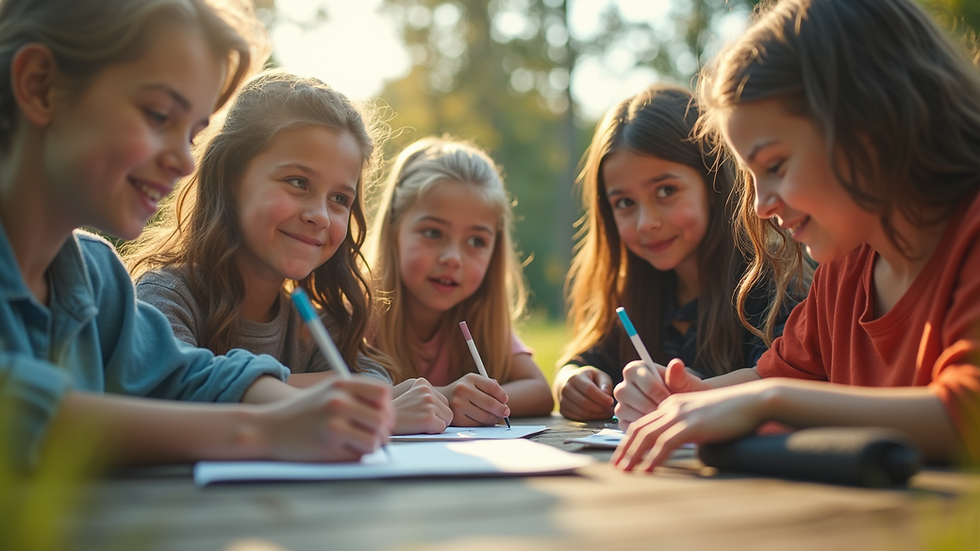
Collaborative learning involves students working together to solve problems or complete tasks. This method promotes teamwork and communication skills while allowing students to learn from one another.
Example: In a math class, students could work in pairs to solve complex problems, discussing their thought processes and strategies. This not only helps them understand the material better but also builds their confidence in sharing ideas.
Gamification
Incorporating game elements into learning can make education more enjoyable and engaging. Gamification can include point systems, competitions, or interactive challenges that motivate students to participate actively.
Example: A history teacher could create a trivia game where students earn points for answering questions correctly. This approach encourages friendly competition and reinforces their knowledge of historical events.
Service Learning
Service learning combines community service with academic learning, allowing students to apply their skills in real-world contexts. This method fosters civic responsibility and personal growth.
Example: Students could partner with a local nonprofit organization to develop a marketing campaign for a community event. This project would require them to use their communication and organizational skills while giving back to the community.
Creating a Supportive Environment
To foster transformative experiences, it is essential to create a supportive learning environment. Here are some strategies to consider:
Encourage Risk-Taking
Students should feel safe to take risks and make mistakes. Encouraging a growth mindset can help them understand that failure is a part of the learning process.
Provide Resources and Support
Ensure that students have access to the necessary resources, such as materials, technology, and mentorship. Providing support can help them feel empowered to explore their interests.
Foster Inclusivity
Create an inclusive environment where all students feel valued and respected. Encourage diverse perspectives and celebrate differences to enhance creativity and collaboration.
Measuring Success
To evaluate the effectiveness of creative and active learning experiences, consider the following methods:
Student Feedback: Regularly solicit feedback from students about their experiences and what they enjoyed or found challenging.
Performance Assessments: Use performance-based assessments to measure students' understanding and application of knowledge.
Long-Term Tracking: Monitor students' progress over time to assess the impact of creative learning on their academic and personal development.
Conclusion
Transformative experiences for youth through creative and active learning can significantly impact their development. By implementing strategies such as project-based learning, arts integration, and outdoor learning, educators and community leaders can foster an environment that encourages engagement, critical thinking, and collaboration.
As we move forward, it is essential to prioritize these approaches in education to prepare our youth for the challenges of tomorrow. Let’s work together to create opportunities that inspire and empower the next generation.

Comments